



Why companies are rethinking recruitment models
Agency fees stacking up? Internal team overwhelmed? Discover why more businesses are moving beyond traditional recruitment models and what RaaS™ means for your hiring strategy.
For years, companies have largely approached hiring through one of two models: an internal talent acquisition team or external recruitment agencies.
Both approaches can work; in fact, most businesses use a combination of the two.
Hiring markets are becoming more competitive and technology costs continue to rise so many businesses are starting to realise that traditional recruitment structures are showing strain.
The issue is not that agencies are “bad” or internal recruitment teams are “ineffective”. The reality is simply that both models tend to break in different ways under pressure.
Traditional recruitment agencies offer flexibility, speed, and specialist market access. When a business suddenly needs to hire quickly, agencies can provide immediate external support without increasing internal headcount. That has real value, particularly for businesses entering new markets, launching projects, or replacing critical talent quickly.
However, agency recruitment often remains highly transactional by design.
The relationship is usually focused on filling individual vacancies rather than building long-term hiring capability. Costs can become unpredictable during periods of rapid growth, particularly when success fees stack up across multiple hires. At the same time, businesses frequently receive limited visibility into pipeline activity, candidate engagement, market mapping, or recruitment process performance.
On the other side, internal talent acquisition teams provide stronger alignment with company culture, leadership style, and employer brand. Internal recruiters understand the business in a way that external suppliers often cannot. They are closer to hiring managers, embedded within the organisation, and usually better positioned to represent long-term company values to candidates.
But internal hiring models come with their own challenges.
As businesses scale, internal teams can quickly become overloaded. Recruiters are expected to manage sourcing, screening, stakeholder coordination, reporting, onboarding support, recruitment marketing, systems administration, and candidate experience, often simultaneously. Hiring spikes can overwhelm even strong teams, while quieter periods can leave businesses carrying significant fixed costs and underutilised infrastructure.
At the same time, recruitment itself has fundamentally changed.
A decade ago, posting a job advertisement and screening inbound applications was often enough. Today, the best candidates are increasingly passive, competition for specialist talent is intense, and AI-driven application tools have created enormous volumes of low-quality noise in hiring funnels.
Technology has helped streamline some processes, but it has also raised expectations. Companies are now investing heavily in ATS platforms (Applicant Tracking System), sourcing tools, assessment systems, employer branding, analytics dashboards, and AI screening technologies. Yet many organisations still struggle to create a recruitment process that feels efficient, human, and scalable at the same time.
This changing environment is one of the reasons Recruitment-as-a-Service (RaaS™) models are gaining attention globally.
Rather than functioning purely as an external supplier, RaaS™ operates more like an embedded talent acquisition partner. The goal is not simply to fill vacancies, but to provide scalable recruitment capability with greater visibility, consistency, and alignment to business objectives.
In many ways, RaaS™ sits between traditional agency recruitment and fully internal hiring functions.
It combines the scalability and specialist sourcing capability of external recruitment with the integration and operational visibility of an internal team. Companies gain dedicated recruitment support without needing to constantly expand permanent headcount or absorb unpredictable agency costs every time hiring demand changes.
Perhaps the biggest advantage is flexibility.
Businesses rarely hire in perfectly consistent cycles. Some quarters require aggressive expansion, while others focus on replacement hiring or workforce consolidation. RaaS™ models allow companies to adapt recruitment support dynamically without rebuilding infrastructure every time business priorities shift.
There are also wider operational benefits.
Hiring managers typically gain better reporting visibility, clearer process ownership, more consistent communication, and stronger market intelligence. Candidate experience often improves because recruiters are operating as a genuine extension of the business rather than a disconnected third party focused only on closing the next placement.
Importantly, RaaS™ is not about replacing internal HR teams or eliminating agencies entirely. There will always be situations where specialist search firms or highly focused internal teams are the right solution.
What companies are recognising is that recruitment is no longer simply an administrative process or a transactional purchasing decision.
It is becoming an operational capability that directly impacts growth, productivity, culture, and long-term business performance.
Career and Hiring Insights
View All InsightsLatest News








What’s new on LinkedIn
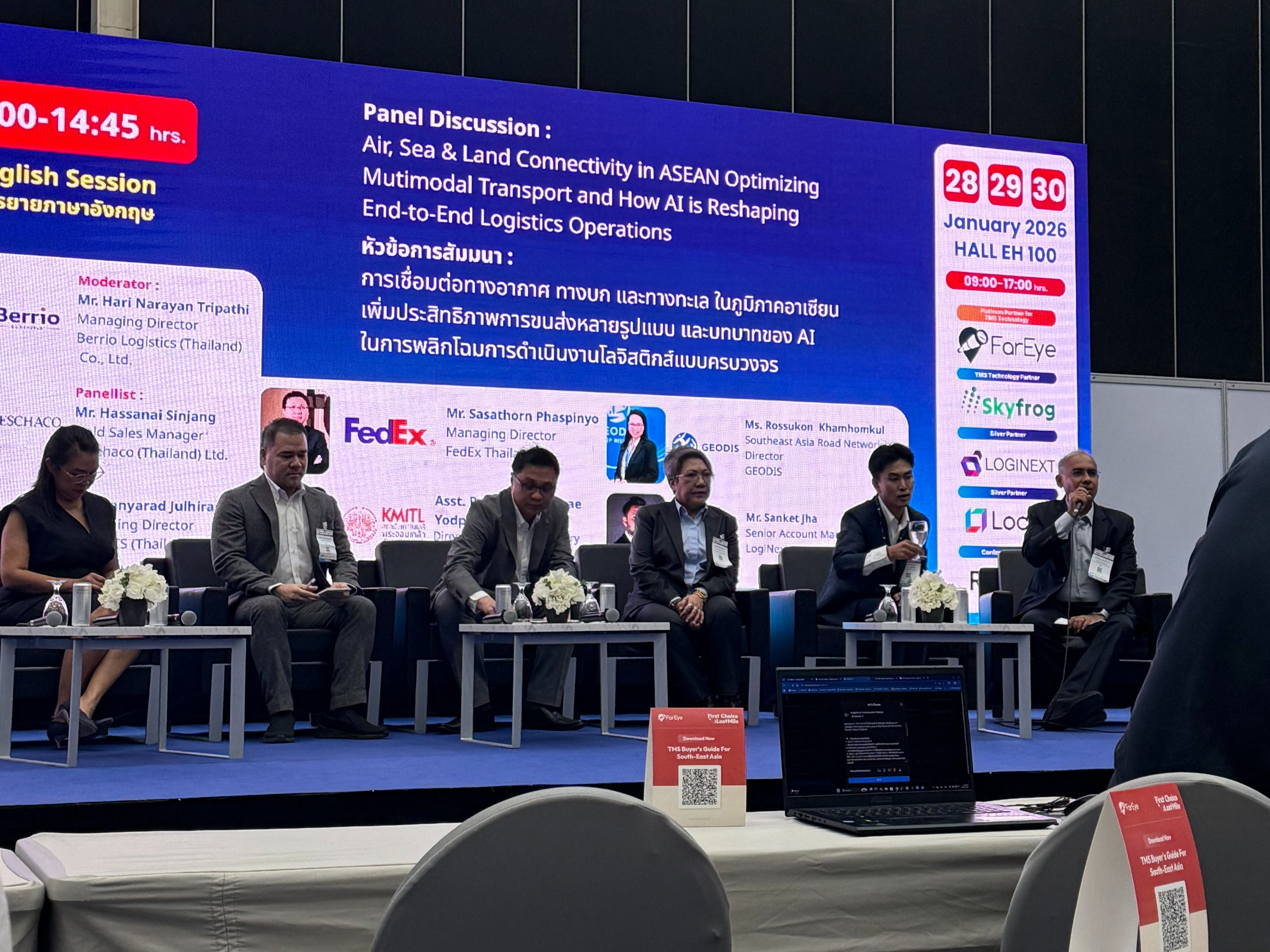
Catching up with the logistics world 🚛✈️
Yesterday, our consultants Brian James and Kanyanut Phongumpai joined the Thai Cargo & Logistics Expo 2026, where industry leaders shared what’s shifting, what’s improving, and what still needs solving across air, sea, and land transport.
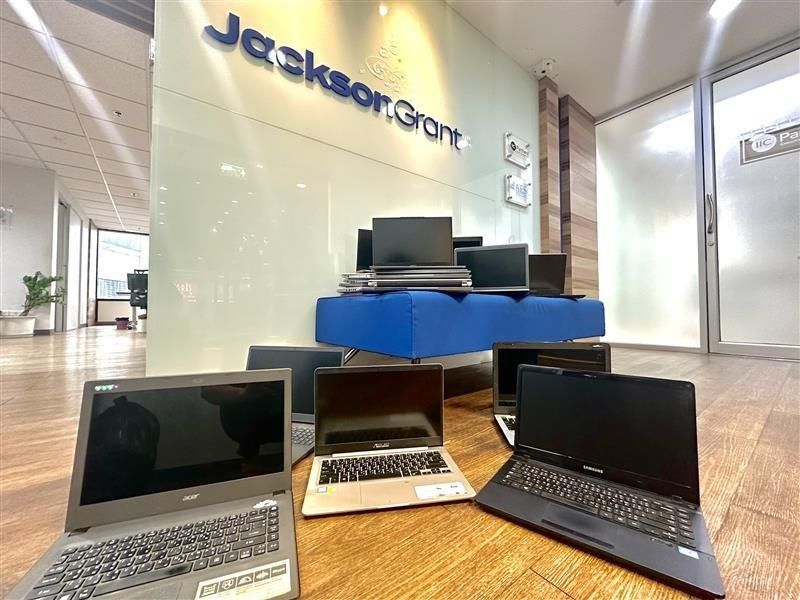
These laptops were sitting unused.
Now they’re someone’s access to education. 💻
Last week, we donated 20+ laptops from our office to The Mirror Foundation, turning surplus tech into real learning tools.
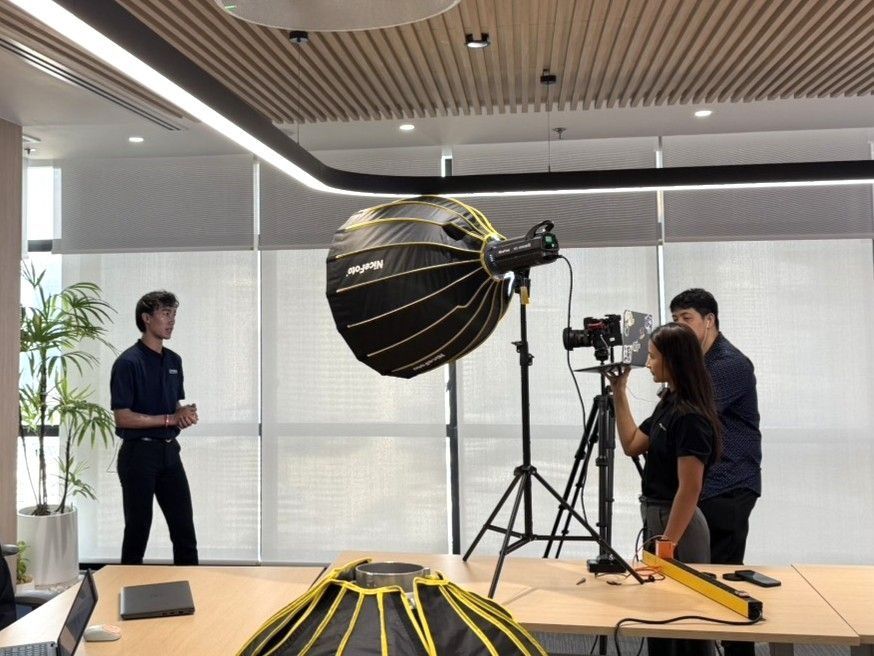
A sneak peek at collaboration-in-action with Rhenus Logistics for today's talent video shoot!
Recruitment moves beyond a transaction at JacksonGrant, we act as a true extension of our partners' teams. We’re proud to be on the ground, providing extra hands for our partner's employer branding and storytelling.

