



What do business leaders do when they want to create efficiencies and “FOCUS” on their core business?
The best-run businesses are rarely the ones trying to do everything themselves. At some point, every business leader faces the same honest question: how much of what we manage internally is actually core to what we do, and how much of it is simply habit? What has changed is which functions are now part of that conversation.
Outsourcing is often viewed through a modern lens, but in reality, businesses have been doing it for decades.
Facilities Management, payroll, cleaning services, IT support, manufacturing, logistics, finance and accounting: many of these functions were once expected to sit entirely in-house. Over time, companies began asking a fairly logical question:
“Are we spending too much time managing functions that are important, but not actually our core business?”
For many organisations, the answer was yes.
A bank exists to provide financial services, not necessarily to run catering operations or maintain air-conditioning systems.
A consumer goods company exists to build products and grow market share, not to become experts in payroll administration.
Outsourcing allowed businesses to focus internal energy on what truly differentiated them while leveraging external specialists for operational support.
Offboarding non-core activities has also evolved over the years. It is no longer viewed purely as a cost-saving exercise. In many cases, external partners now bring better technology, deeper expertise, stronger processes, and greater scalability than companies can realistically maintain internally.
And now, Talent Acquisition is increasingly becoming part of that conversation.
Hiring today is significantly more complex than it was even five years ago. Recruitment technology costs continue to rise, AI-driven applications are flooding hiring pipelines, and screening candidates effectively is becoming increasingly difficult for overstretched internal teams.
At the same time, the human side of recruitment has become even more important. Knowledgeable engagement and candidate experience now rule if you want to attract the best talent.
Top candidates expect engagement, speed, communication, market insight, and a strong overall experience throughout the hiring process. The reality is that great candidates often have multiple options and poor hiring experiences can quickly damage employer brand perception.
This is where specialist recruitment expertise becomes increasingly valuable.
Many businesses are now questioning whether maintaining internal hiring infrastructure, technology stacks, sourcing capability, employer branding activity, analytics, and recruitment delivery teams internally always makes operational sense; particularly when hiring demand naturally fluctuates.
Of course, not everything should be outsourced. Culture, leadership, and strategic decision-making remain deeply internal functions.
But the broader trend is clear: modern businesses are becoming more selective about where they invest internal resources and where specialist support may create greater long-term value.
The modern business world increasingly rewards focus.
I would love to discuss how you can outsource some or all of your Talent Acquisition and Talent Management functions to both enhance quality and be more cost effective.
Career and Hiring Insights
View All InsightsLatest News








What’s new on LinkedIn
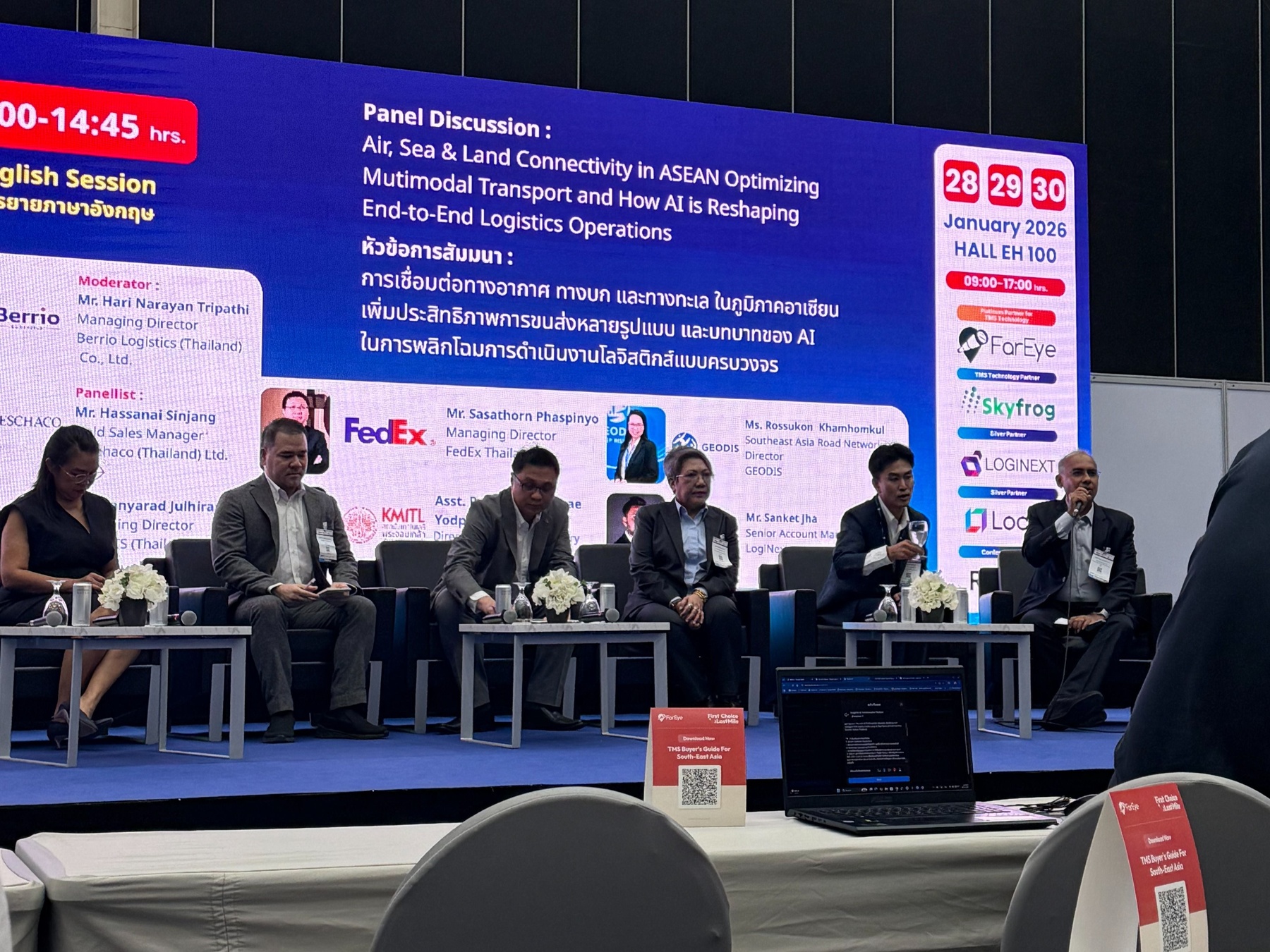
Catching up with the logistics world 🚛✈️
Yesterday, our consultants Brian James and Kanyanut Phongumpai joined the Thai Cargo & Logistics Expo 2026, where industry leaders shared what’s shifting, what’s improving, and what still needs solving across air, sea, and land transport.
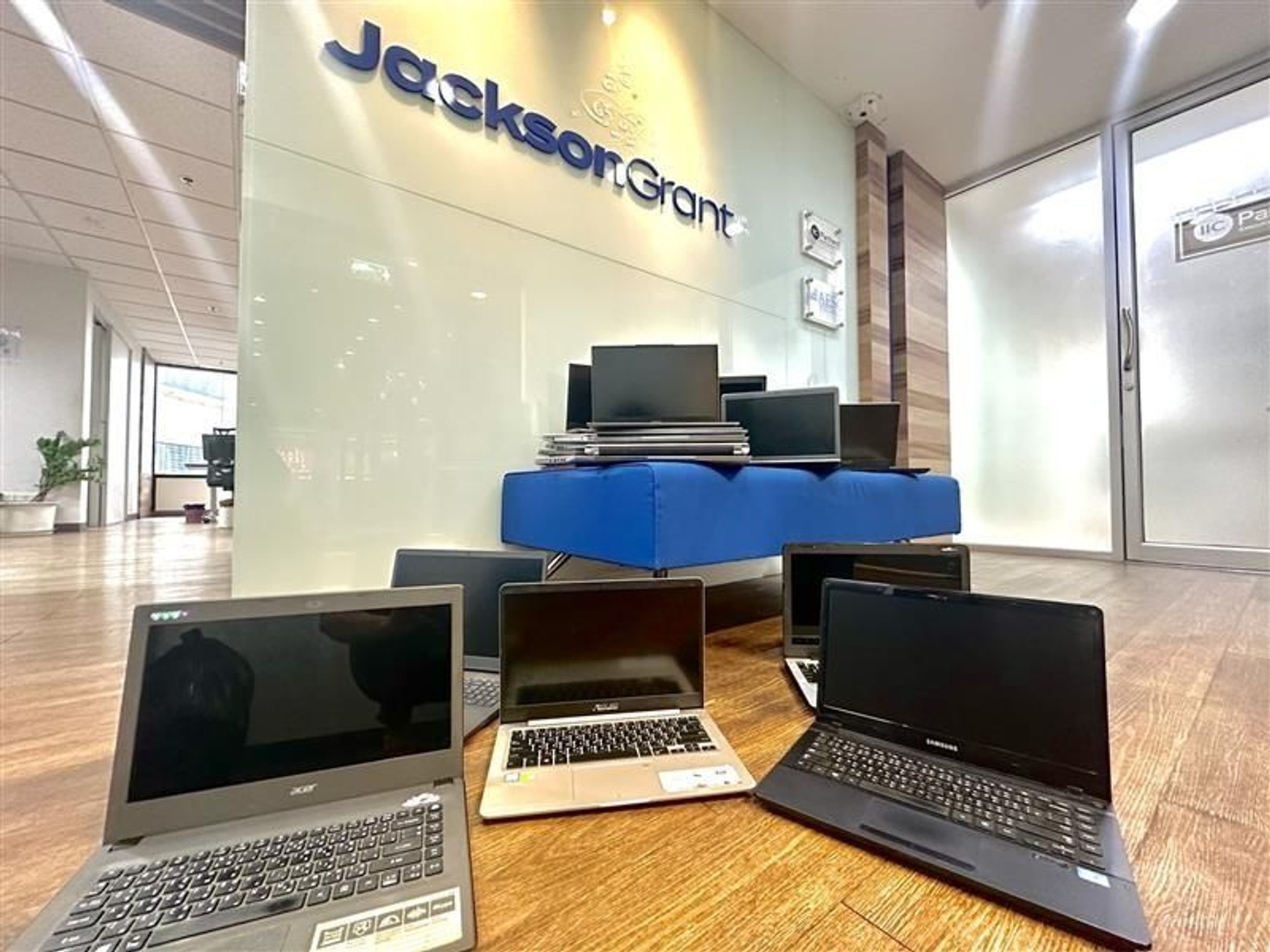
These laptops were sitting unused.
Now they’re someone’s access to education. 💻
Last week, we donated 20+ laptops from our office to The Mirror Foundation, turning surplus tech into real learning tools.
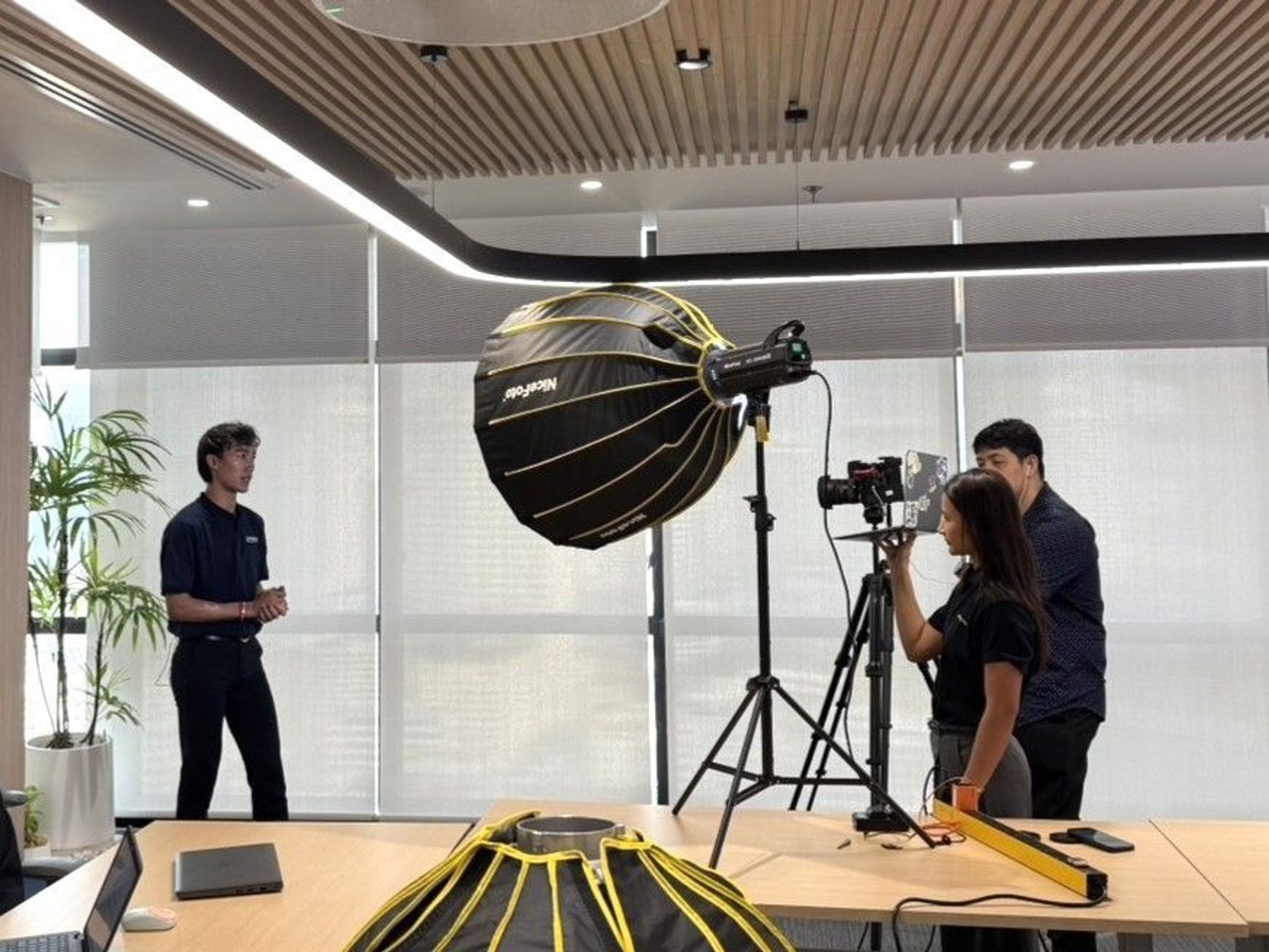
A sneak peek at collaboration-in-action with Rhenus Logistics for today's talent video shoot!
Recruitment moves beyond a transaction at JacksonGrant, we act as a true extension of our partners' teams. We’re proud to be on the ground, providing extra hands for our partner's employer branding and storytelling.

