



Recruitment Process Outsourcing (RPO): A Guide to Thailand's Hiring Models for 2026
A 2026 guide to RPO in Thailand: how it compares against in-house hiring, agencies and RaaS, and why it now suits Thailand's evolving talent market.
Thailand's recruitment market has changed dramatically over the past few years. Skills shortages, increasing salary expectations, changing candidate behaviour and greater competition for specialist talent have forced companies to rethink how they attract and hire people.
The traditional recruitment methods that served businesses well for many years are no longer the only option. Today, organisations have a range of hiring models available, each suited to different business objectives, budgets and hiring volumes.
Understanding these models is essential for HR leaders looking to build sustainable talent strategies rather than simply filling vacancies.
Thailand Hiring Models at a Glance (2026)
|
Criteria |
Internal Recruitment |
Contingency Agency |
Traditional RPO |
Recruitment-as-a-Service (RaaS™) |
|
Best suited for |
Steady day to day hiring |
Ad hoc or specialist vacancies |
Consistent hiring volumes |
Ongoing strategic hiring across multiple functions |
|
Cost model |
Fixed salaries and overheads |
Success fee per hire |
Monthly management fee |
Predictable monthly subscription with reduced placement fees |
|
Cost predictability |
High |
Low |
High |
Very High |
|
Scalability |
Limited by internal headcount |
Moderate |
Good |
Excellent |
|
Access to passive talent |
Moderate |
Good |
Very Good |
Excellent |
|
Employer branding & EVP |
Strong internal knowledge but limited time for continuous market engagement |
Variable depending on agency approach |
Strong |
Excellent |
|
Strategic workforce planning |
Limited |
Minimal |
Strong |
Excellent |
|
Talent mapping & pipelining |
Limited |
Vacancy specific |
Ongoing |
Continuous and proactive |
|
Candidate experience |
Consistent |
Can vary if multiple agencies are engaged |
Consistent |
Highly consistent and employer branded |
|
Market intelligence |
Internal insight |
Vacancy specific |
Regular reporting |
Continuous benchmarking, salary insights and talent mapping |
|
Recruitment expertise |
Dependent on individual recruiters |
Agency expertise varies |
Dedicated embedded recruiter(s) |
Full access to specialist recruiters, sourcing teams, researchers and market experts |
|
Long-term value |
Good for stable hiring |
Best for occasional hiring |
High |
Highest for organisations with ongoing recruitment needs |
Recruitment has evolved from simply filling vacancies to becoming a strategic driver of business growth. The following hiring models each offer distinct advantages depending on an organisation's hiring volume, growth plans and long-term talent strategy.
Internal Recruitment Teams
For many organisations, an internal Talent Acquisition team remains the foundation of hiring.
An in-house recruiter develops a deep understanding of the company's culture, values and long-term objectives. They become experts in the employer brand and are often best placed to deliver a consistent candidate experience.
However, internal teams can struggle when hiring demand fluctuates. Scaling recruitment quickly is difficult, niche market knowledge may be limited, and specialist hiring often requires external support. Internal recruiters also spend a significant amount of time managing administration, stakeholder communication and interview coordination, reducing the time available for proactive talent engagement.
In many organisations, internal recruitment also tends to be driven by inbound applications generated through job advertisements, career pages and LinkedIn postings. While this approach can produce strong active candidates, it often means less time is available for targeted market mapping and proactive headhunting of passive talent. As a result, organisations may only engage with a relatively small proportion of the overall talent market, potentially overlooking high performing professionals who are not actively searching for a new role but would consider the right opportunity.
Traditional Contingency Recruitment Agencies
Contingency recruitment remains one of the most commonly used hiring models in Thailand.
The principle is simple: recruitment agencies are paid only when they successfully place a candidate.
This model works particularly well for occasional hiring, confidential searches or specialist positions where internal teams lack market expertise.
However, contingency recruitment is naturally reactive. Agencies begin searching once a vacancy exists and their commercial incentive is tied to individual placements rather than long-term workforce planning. Candidate engagement can also become fragmented if multiple agencies are competing for the same role, sometimes creating an inconsistent employer brand and candidate experience.
From a commercial perspective, contingency recruitment can become one of the more expensive hiring models for organisations with ongoing recruitment requirements. Success fees must cover not only the recruiter who successfully fills the role, but also the time spent on assignments that do not result in a placement, candidates who decline offers, business development activities and the agency's wider operating costs. In effect, each successful placement contributes towards funding numerous searches that generate no revenue. While this model offers flexibility and no upfront commitment, organisations with regular hiring needs often find that outsourced or subscription based recruitment models deliver greater long-term value and more predictable costs.
Recruitment Process Outsourcing (RPO)
RPO represents a different philosophy altogether.
Rather than outsourcing individual vacancies, organisations outsource all or part of their recruitment function to a strategic recruitment partner.
This creates greater alignment between hiring activity and business objectives while allowing recruitment to become an ongoing capability rather than a series of isolated projects.
Traditional RPO models often involve one or more recruiters working exclusively within the client's business. These recruiters operate as an extension of the internal HR team, managing sourcing, stakeholder engagement, interview coordination, reporting and recruitment process improvement.
For organisations with steady hiring volumes, this provides consistency, dedicated support and improved recruitment processes while allowing internal HR teams to focus on broader people initiatives.
The Evolution: Recruitment-as-a-Service (RaaS™)
More recently, Thailand has seen the emergence of Recruitment-as-a-Service (RaaS™), a subscription based evolution of traditional RPO.
Instead of paying for one or two embedded recruiters, organisations gain access to an entire recruitment business operating as an extension of their own team.
This means hiring managers can leverage specialist recruiters across multiple industries, functions and levels of seniority, supported by dedicated sourcing teams, talent researchers, recruitment marketing specialists and experienced account managers.
Rather than relying on the expertise of a single recruiter, businesses benefit from shared market intelligence, significantly greater scalability and the ability to deploy the right recruitment expertise at the right time. As hiring priorities evolve, recruitment resources can flex without the delays and costs associated with increasing internal headcount.
From Reactive Recruitment to Strategic Talent Planning
Perhaps the greatest advantage of modern RPO models is not simply lower recruitment costs or improved hiring speed.
It is the shift from reactive recruitment towards proactive talent strategy.
Instead of waiting for vacancies to arise, RPO providers continuously map talent markets, build relationships with future candidates and develop talent pipelines well before hiring requirements become urgent. Recruitment therefore becomes aligned with business growth plans, succession planning and future workforce requirements rather than simply responding to resignations.
Employer Value Proposition (EVP) marketing also becomes significantly stronger.
Because recruiters are continuously engaging with the market rather than only advertising live vacancies, they have more opportunities to communicate the company's culture, career opportunities and long-term vision. They become genuine brand ambassadors, building awareness and credibility with professionals months before a vacancy even exists. This consistent engagement strengthens employer branding and ensures organisations remain visible to high quality talent throughout the year.
Accessing the Hidden Talent Market
One of the biggest recruitment challenges in 2026 is that the very best candidates are often not actively applying for jobs. Most high performing professionals are fully employed and selective about career moves.
Traditional recruitment advertising primarily reaches active job seekers.
Strategic RPO providers, however, invest significant time engaging with passive talent, the professionals who are open to the right opportunity but are unlikely to apply through conventional recruitment channels.
This dramatically expands the available talent pool and allows organisations to compete for candidates who might otherwise never enter their recruitment process.
Combined with a consistent candidate experience, proactive communication and continuous employer branding, this approach often results in stronger quality of hire, shorter hiring times, improved retention and a sustainable pipeline of future talent.
The right model depends on what the business actually needs
There is no universal recruitment solution. Internal recruitment teams remain invaluable for employer branding and day to day hiring. Contingency agencies provide flexibility for occasional specialist searches. Traditional RPO offers dedicated recruitment capability embedded within the organisation.
However, businesses looking to improve hiring quality, reduce long-term recruitment costs, strengthen employer branding and build future talent pipelines are increasingly adopting subscription based Recruitment Process Outsourcing and Recruitment-as-a-Service™ models.
As Thailand's employment market continues to evolve, recruitment is becoming less about filling today's vacancies and more about building tomorrow's workforce. Organisations that invest in proactive talent engagement, stronger candidate experiences and long-term workforce planning will be best positioned to attract, engage and retain exceptional people. In 2026 and beyond, recruitment is no longer simply a service. It is a strategic competitive advantage.
Career and Hiring Insights
View All InsightsLatest News








What’s new on LinkedIn
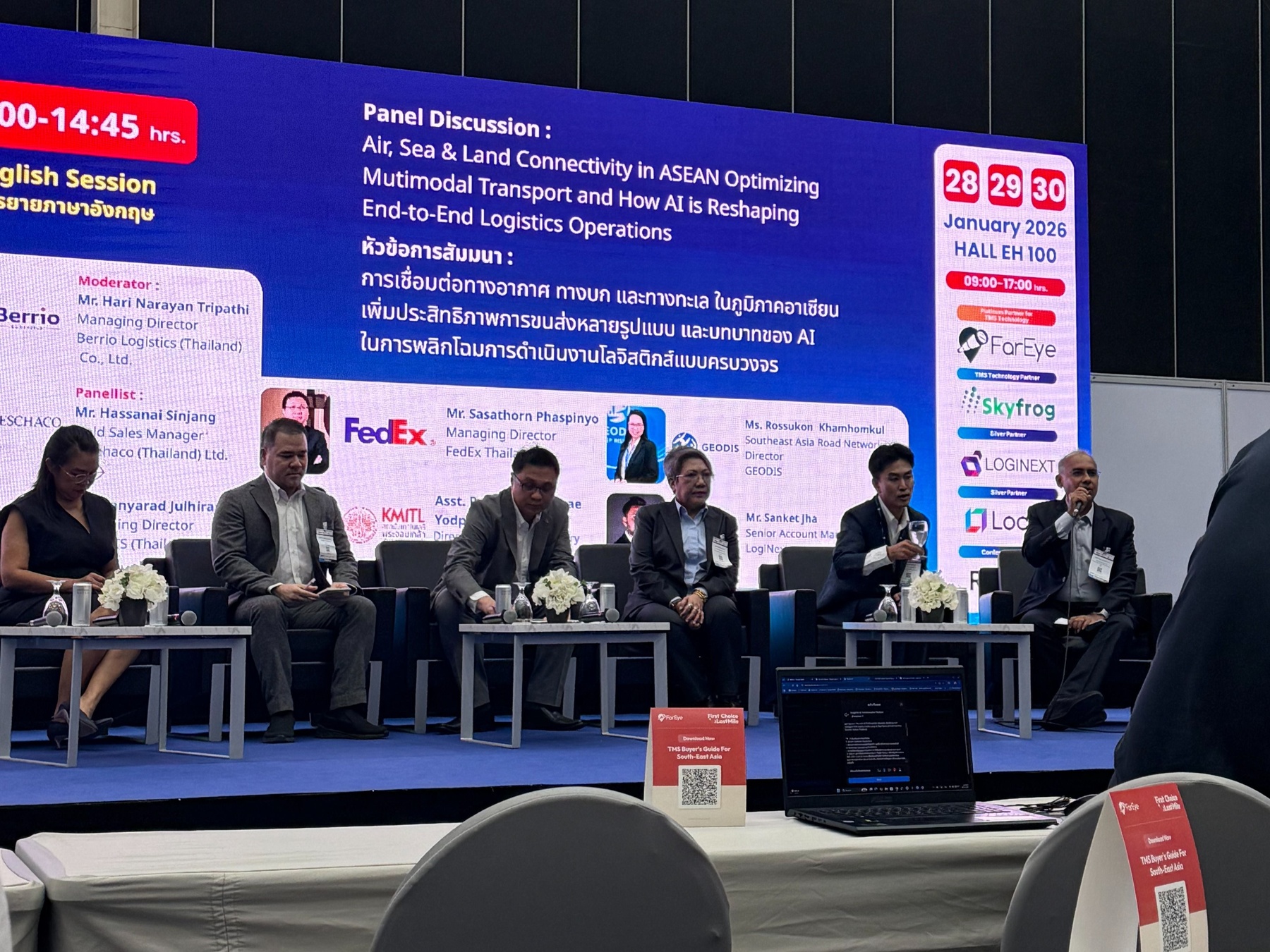
Catching up with the logistics world 🚛✈️
Yesterday, our consultants Brian James and Kanyanut Phongumpai joined the Thai Cargo & Logistics Expo 2026, where industry leaders shared what’s shifting, what’s improving, and what still needs solving across air, sea, and land transport.
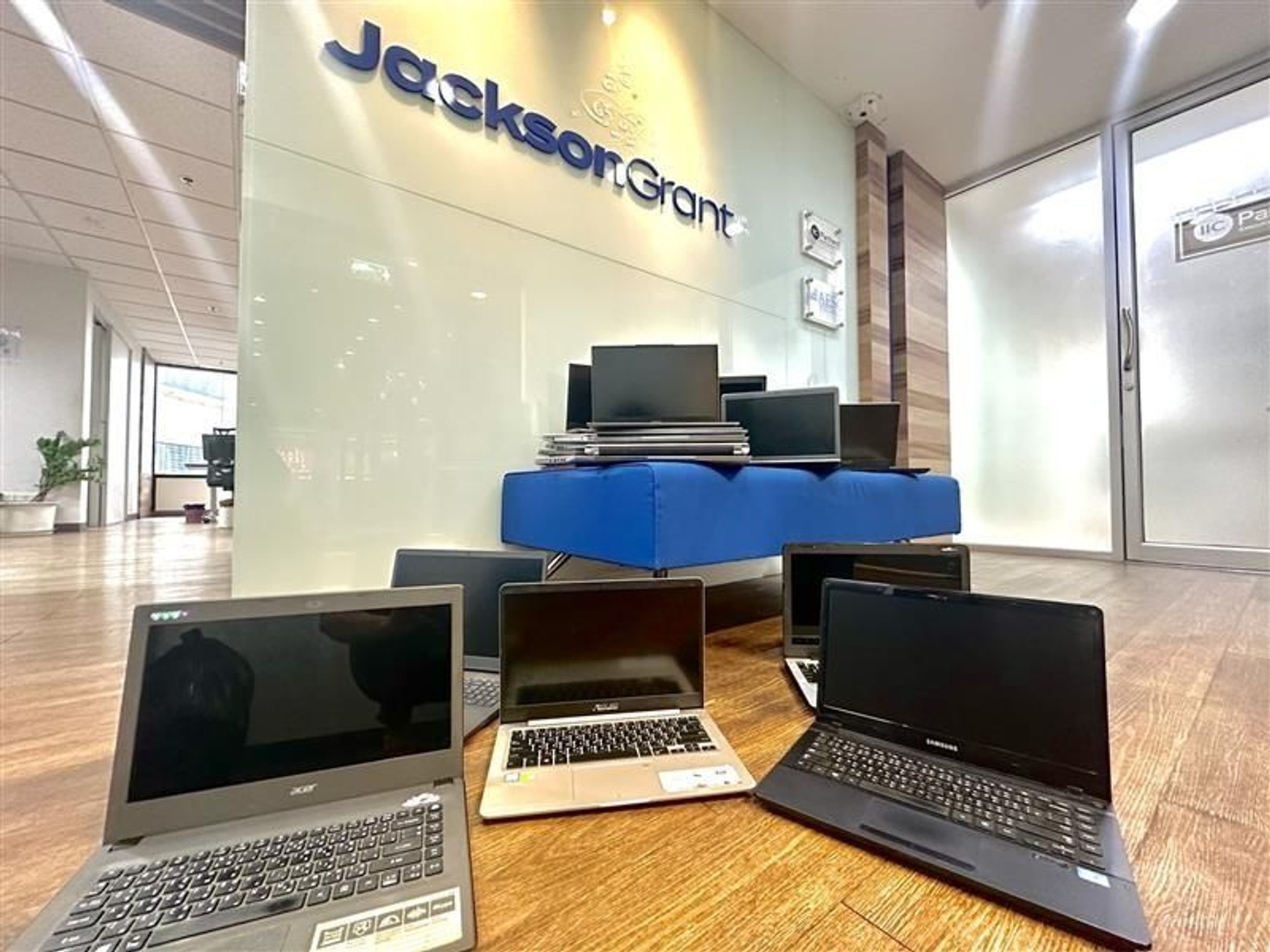
These laptops were sitting unused.
Now they’re someone’s access to education. 💻
Last week, we donated 20+ laptops from our office to The Mirror Foundation, turning surplus tech into real learning tools.

A sneak peek at collaboration-in-action with Rhenus Logistics for today's talent video shoot!
Recruitment moves beyond a transaction at JacksonGrant, we act as a true extension of our partners' teams. We’re proud to be on the ground, providing extra hands for our partner's employer branding and storytelling.

