



Negotiate the Offer: How to Create a Win-Win Outcome for Both Candidates and Employers
After the interviews and assessments, both sides have made their decision. Yet somehow the offer conversation narrows to a single number. Salary matters, but it is only part of what is actually on the table.
The offer stage should be one of the most exciting parts of the hiring process. A company has found someone they believe can add value, and a candidate has identified an opportunity that could positively shape their future. Yet, this is also the stage where many hiring processes break down.
Too often, negotiations become centred on one thing: salary. While compensation is important, focusing solely on the number on the offer letter can lead to short-term decisions and, ultimately, early resignations. The most successful hires happen when both parties step back and look at the bigger picture.
Understanding how salary expectations vary across Thailand's key industries is a useful starting point, but navigating the offer stage well goes well beyond benchmarking alone.
For Candidates: Why Salary Is Not the Only Thing Worth Negotiating
A higher salary can be attractive, but it should never be viewed in isolation. A role offering a smaller salary increase may provide significantly greater long-term opportunities. Candidates should carefully consider questions such as:
• Does this role provide a clear career roadmap?
• Will I gain exposure to new skills, industries or international projects?
• Is there an opportunity for progression in the next two to three years?
• Does the company culture align with my values and preferred way of working?
• Will I be challenged and continue to develop professionally?
Compensation packages today are also far more diverse than basic salary alone. Bonuses, commission structures, provident funds, healthcare, flexible working arrangements, additional leave, learning opportunities and long-term incentives can all materially impact the overall value of an offer.
A role that initially appears to offer less financially may, when considered holistically, deliver significantly more value over time.
For Companies: Understand What Truly Motivates the Candidate
Many organisations make the mistake of assuming that every candidate is primarily motivated by money. In reality, motivations vary considerably. Some candidates seek faster career progression. Others value flexibility, learning opportunities, international exposure or simply greater job security. Understanding these motivations requires open and honest conversations throughout the recruitment process.
Employers should also be realistic about market conditions. Access to salary benchmarking and understanding current market expectations are essential. If compensation levels are significantly below market rates, negotiations can become difficult regardless of how attractive the opportunity itself may be.
Equally, organisations should avoid viewing negotiations as a process of securing talent at the lowest possible cost. The financial impact of replacing a new hire who leaves after six months is usually far greater than the investment required to structure a competitive and compelling offer in the first place.
Transparency Creates Better Outcomes
The strongest offer negotiations are built on transparency. Candidates should be open about their expectations, concerns and motivations from the beginning. Inflating salary expectations or using offers purely as leverage often damages trust before employment has even started.
Similarly, employers should be clear about compensation structures, performance expectations, progression opportunities and any limitations that exist. Overpromising during negotiations may help secure acceptance, but it frequently leads to disappointment and disengagement later.
Setting realistic expectations on both sides creates a far stronger foundation for a successful employment relationship.
Think Long-Term, Not Just Short-Term
The best hiring decisions are rarely driven by immediate gains.
For candidates, the right opportunity should be measured not only by today's salary but by where it could position them three or five years from now.
For companies, securing exceptional talent is about creating an environment where individuals can see a future for themselves, develop their careers and feel appropriately rewarded for their contribution.
When negotiations move beyond simply discussing salary and instead focus on total reward, career progression, market realities and mutual expectations, the chances of a successful long-term hire increase dramatically.
Ultimately, the objective should never be for one side to "win" the negotiation.
The real success comes when both candidate and employer finish the process feeling confident that they have made the right decision, have been treated fairly and can see a clear path towards achieving shared goals together.
Because the best offers are not necessarily the ones with the biggest numbers attached to them. They are the ones that create the strongest foundations for a lasting and genuinely win-win partnership.
For organisations looking to build more consistent, structured hiring processes, a long-term recruitment partnership through Recruitment as a Service (RaaS™) can help take the pressure off individual offer negotiations by building better candidate relationships and market knowledge well before the offer stage is reached.
Career and Hiring Insights
View All InsightsLatest News








What’s new on LinkedIn
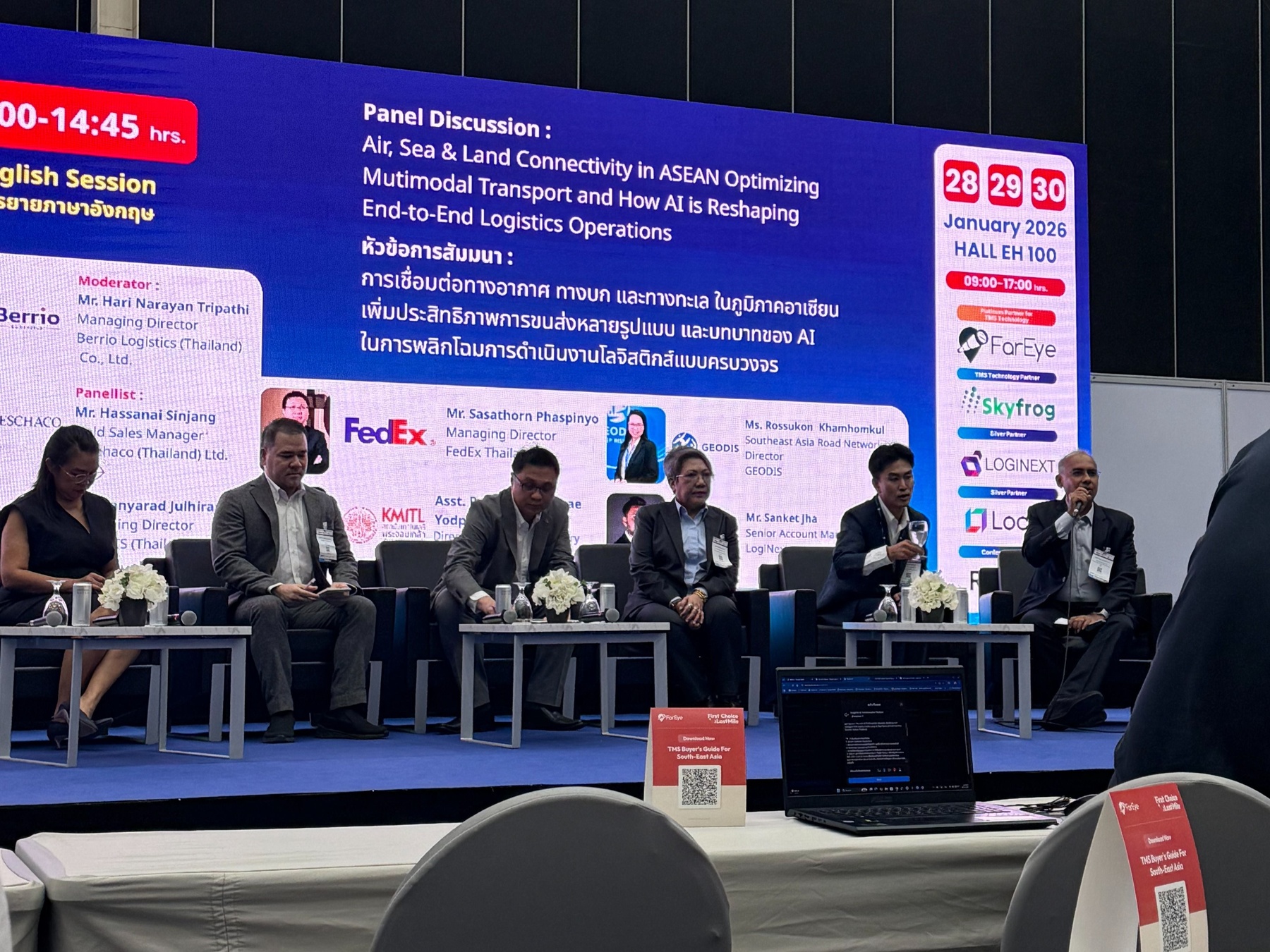
Catching up with the logistics world 🚛✈️
Yesterday, our consultants Brian James and Kanyanut Phongumpai joined the Thai Cargo & Logistics Expo 2026, where industry leaders shared what’s shifting, what’s improving, and what still needs solving across air, sea, and land transport.

These laptops were sitting unused.
Now they’re someone’s access to education. 💻
Last week, we donated 20+ laptops from our office to The Mirror Foundation, turning surplus tech into real learning tools.

A sneak peek at collaboration-in-action with Rhenus Logistics for today's talent video shoot!
Recruitment moves beyond a transaction at JacksonGrant, we act as a true extension of our partners' teams. We’re proud to be on the ground, providing extra hands for our partner's employer branding and storytelling.

