



5 things people believe about a multi-agency model, and what actually happens
Briefing multiple agencies feels like it speeds up hiring. In practice, it creates duplicate candidates, mixed messages, and more work. Here is what actually happens.
Briefing multiple agencies at once is one of the most common habits in hiring. It is always done with the best intentions. The problem is that the assumptions behind it rarely hold up in practice.
1. You are probably seeing the same candidates anyway
The easily available talent pool in Thailand is not as large as it looks on paper. In order to make the best hire you need a deeper dive into the passive market and more strategic candidate engagement. When three agencies are working the same brief, they are largely fishing in the same obvious pond. What you end up with is the same candidates arriving multiple times, often on the same day, from different firms. Duplicate submissions are not a hypothetical. They happen regularly, and they cost time that nobody has, and worst of all the candidate experience and impression of the company is all too often of poor quality.
2. Agencies in a race work faster, not better
The assumption is that agencies will work harder when they know they are competing. The reality is the opposite. Recruitment runs on contingency. When a firm knows it is one of four on the same role, the brief gets deprioritised in favour of searches where they have a stronger chance of winning the fee. You get speed over depth. Whoever is quickest, not whoever is most thorough. A genuine recruitment partner with a proper mandate will go deeper, spend time on the passive market, and have harder conversations with candidates who are not actively looking. That level of effort does not happen in a race.
3. You end up managing the process yourself anyway
Spreading a brief across multiple agencies feels like it accelerates things. What it actually does is create a coordination burden that most hiring managers underestimate. Managing four agencies means managing four pipelines, four briefing calls, four sets of expectations, and four different interpretations of what you actually need. Companies that have moved to an RPO or RaaS™ model typically find that this burden disappears entirely, because there is one accountable recruitment partner managing the process end to end. The time saved is real, even if it does not show up on a procurement spreadsheet.
4. Candidates are getting four different versions of your company
Every agency approaching candidates on your behalf is representing your company. When four firms are doing that simultaneously, four different versions of your employer story are circulating in the market. In Bangkok especially, the senior talent community is closer-knit than most companies assume. A candidate who receives three separate calls about the same role will form a view about how organised your hiring process is. The best candidates, those with options, tend to step back quietly rather than say anything. Your employer brand is one of the most underestimated assets in hiring. Fragmenting it for the sake of speed is a short-term decision with a longer-term cost.
5. Your confidential information is travelling further than you think
Briefing multiple agencies feels like it spreads risk. In practice, it spreads your confidential information across multiple organisations. Headcount plans, salary structures, the fact that you are replacing someone currently in post. Every additional firm you brief is another point of potential exposure. For companies in Bangkok entering a new market or hiring for sensitive roles, that is a genuine risk that tends to get overlooked until something goes wrong.
Working with one recruitment partner changes all of this
Brief fewer partners, not more. Give one recruitment partner a proper mandate, share the full picture, and hold them accountable for outcomes rather than CV volume. For businesses in Bangkok and across Southeast Asia, RPO and RaaS™ models exist precisely to solve this problem. One partner managing your entire hiring process, one consistent employer story in the market, and a team that is invested in the quality of the outcome rather than the speed of the submission.
A recruiter who genuinely knows your business, your culture, and what good looks like for your team will consistently outperform four firms racing each other to your inbox.
It is not a radical idea. It is just a better use of the same budget.
Career and Hiring Insights
View All InsightsLatest News








What’s new on LinkedIn
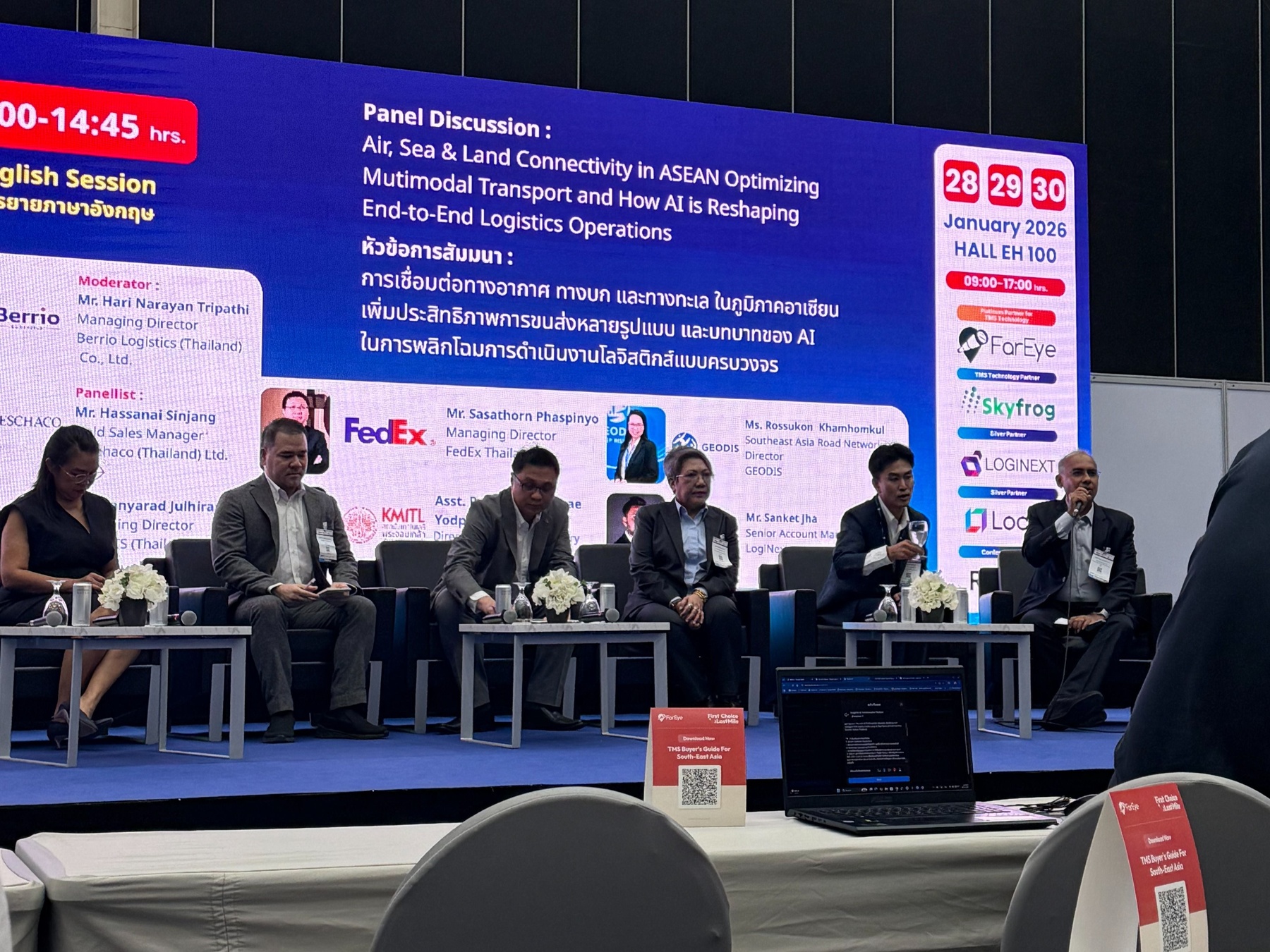
Catching up with the logistics world 🚛✈️
Yesterday, our consultants Brian James and Kanyanut Phongumpai joined the Thai Cargo & Logistics Expo 2026, where industry leaders shared what’s shifting, what’s improving, and what still needs solving across air, sea, and land transport.
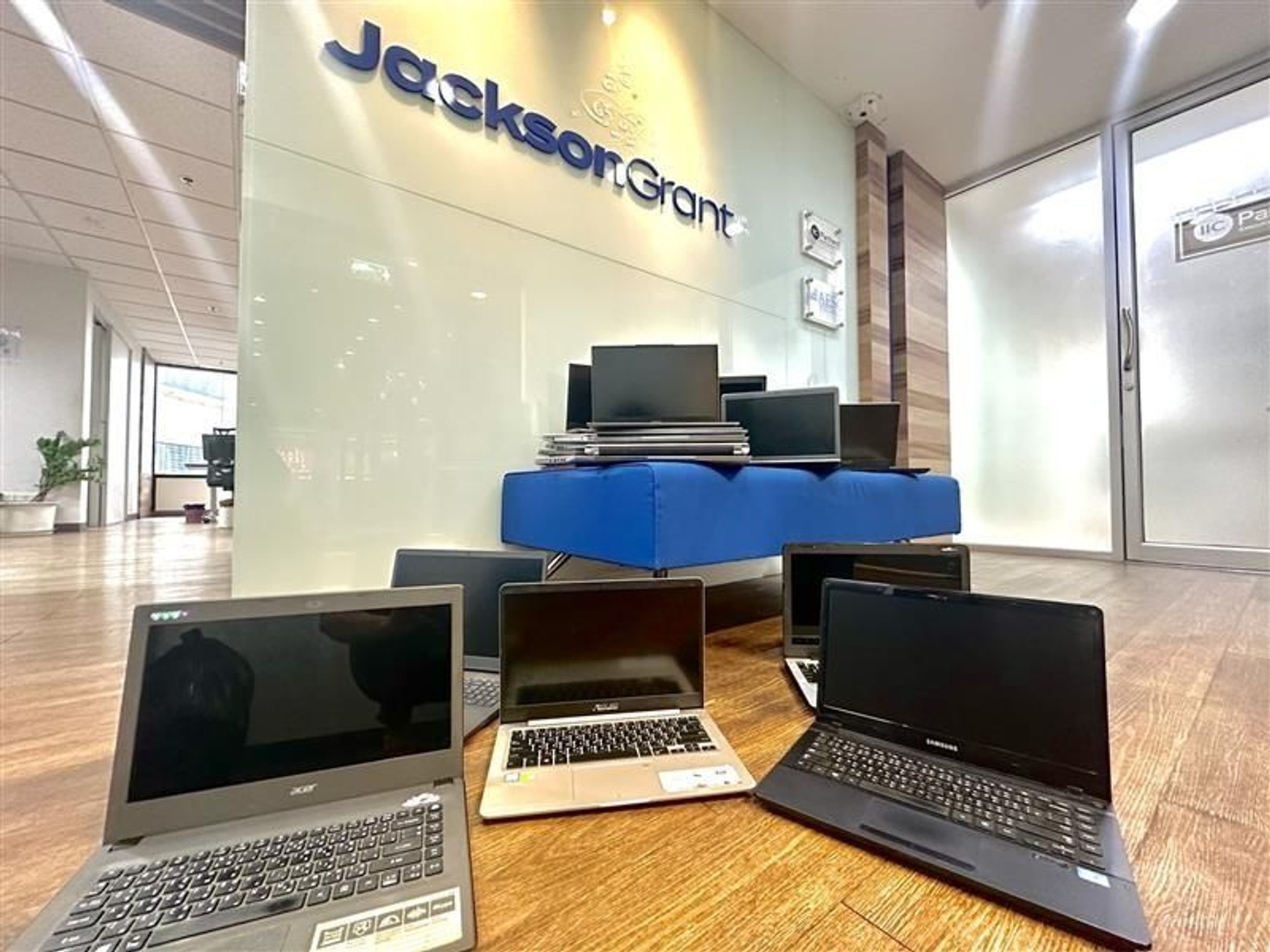
These laptops were sitting unused.
Now they’re someone’s access to education. 💻
Last week, we donated 20+ laptops from our office to The Mirror Foundation, turning surplus tech into real learning tools.

A sneak peek at collaboration-in-action with Rhenus Logistics for today's talent video shoot!
Recruitment moves beyond a transaction at JacksonGrant, we act as a true extension of our partners' teams. We’re proud to be on the ground, providing extra hands for our partner's employer branding and storytelling.

