



Winning the Talent Shortage in Thailand with a Smart Internship Strategy
Internships are one of the most effective ways to get ahead in Thailand’s competitive talent market. Learn what it takes to run a programme that actually converts.
The competition for good talent in Thailand has not eased. If anything, the window between identifying the right candidate and losing them to another offer has shortened considerably. Businesses that rely entirely on the open market are operating in an environment where speed, salary, and employer brand are constantly under pressure, often all at once.
Internship programmes offer a different kind of advantage. Rather than competing for talent that is already visible and already fielding multiple approaches, they allow organisations to build genuine relationships with candidates before the open market enters the picture at all. Done well, they are one of the most practical ways to shorten the distance between identifying strong talent and securing it.
How Internships Shorten the Race for Talent
When every organisation is fishing from the same pool, the variables that determine who wins a hire tend to be offer speed, compensation, and brand recognition. These are not easy levers to pull consistently, particularly for businesses that are growing quickly or entering new markets where they are not yet well known to candidates.
Engaging students during their final year or through a structured internship shifts those dynamics meaningfully. No one else is in the conversation yet, so offer speed is not the deciding factor. The relationship has been built on something more substantial than a figure on a page, so salary becomes a smaller part of the negotiation. Your employer brand is not a logo on a job board but a lived experience the candidate has already had, which tends to be far more persuasive than anything a campaign can deliver. When the internship goes well on both sides, the conversation about a permanent role follows naturally, and candidates who come through that route tend to stay longer because the decision was made with real information rather than optimism.
Why Most Internship Programmes Deliver Inconsistent Results
Running an internship programme well requires a level of sustained effort that most HR teams find difficult to maintain alongside everything else they are responsible for. University engagement involves building relationships over time, understanding academic calendars, and showing up consistently enough that your employer brand registers in the student market. Marketing to a graduate audience is a different discipline from standard recruitment communications, requiring a different tone, different channels, and content shaped around a stage of life most hiring teams are no longer close to. Once applications come in, screening, scheduling, coordinating assessment events, managing offers, and confirming places all need to happen within windows largely set by the academic year rather than your internal timeline.
When that pressure collides with a busy hiring period, the internship programme is usually the first thing deprioritised. The result is familiar: inconsistent quality, a candidate experience that does not reflect well on the employer, and strong interns who graduate without ever receiving a proper offer because no one had the capacity to follow through.
Design the Internship Around Real Work, Not Admin
The most important decision an organisation makes about its internship programme is not which universities to target or how many places to offer. It is what the interns will actually do when they arrive. This is where many programmes quietly fail, not in the logistics but in the substance.
An intern who spends their placement filing documents, formatting spreadsheets, or sitting in meetings with no clear role to play will leave with a polite smile and very little reason to return. They will also tell their peers exactly what the experience was like. Conversely, an intern who is given real responsibility, included in genuine work, and treated as a contributing member of the team will leave with a sense of belonging that is extremely difficult for a competitor to replicate with a slightly higher starting salary.
Designing internship work around actual business needs rather than convenience tasks serves two purposes. It allows the organisation to see how a candidate genuinely performs under conditions that reflect the real role, which makes the decision about a permanent offer considerably more informed than any interview process can deliver. It also signals to the intern that the organisation takes them seriously, and that first impression of being valued carries further than most employers realise when it comes to conversion and long-term retention.
The organisations that consistently convert strong interns into strong permanent hires tend to approach the programme with the same rigour they would apply to any other hiring decision: clear objectives for the placement, a manager who is invested in the intern's development, regular feedback conversations, and a defined point at which both sides can have an honest conversation about the future. That structure does not require a large budget. It requires intention.
“In a competitive talent market, the advantage goes to whoever gets there first. Internship programmes are not just a pipeline strategy; they are one of the most effective ways to identify and secure the next generation of talent before the rest of the market has even had the conversation. The businesses that invest in this early, consistently and with proper structure, are the ones that will find themselves in a stronger hiring position year after year.”
— Nick Padovan, Director of RaaS™, JacksonGrant
What Gen Z Expects Before Applying for an Internship
The graduate cohort entering the workforce now approaches employers with a level of scrutiny that previous generations largely did not. They research organisations before applying, compare experiences with peers, and form lasting impressions based on how the process feels, not just how it ends. A programme that is disorganised or clearly treated as low priority does not just affect the interns who experience it directly; it shapes how those individuals talk about the employer to the people around them, which in a connected university environment can influence perception far more quickly than any formal employer brand campaign.
That dynamic cuts both ways. A programme that is well run, where students are given meaningful work and feel genuinely valued as part of the organisation, tends to generate the kind of organic advocacy that makes the next cohort easier to attract, and over time builds a reputation in the graduate market that no paid campaign can replicate. For organisations thinking seriously about their long-term position in the talent market, the quality of the internship experience is not a secondary consideration. It is part of the employer brand itself.
What Your Organisation Needs to Prepare
Running an internship programme well involves more moving parts than most organisations anticipate. Before the first student arrives, there are four areas that need to be properly in place.
Step 1 University Partnerships and Target Profile
Identify which universities are most relevant to your industry and the kind of candidates you are looking to develop. This means going beyond name recognition and understanding which institutions produce graduates with the skills, mindset, and career ambitions that align with your organisation. Building relationships with career services teams takes time, so this groundwork needs to start well ahead of the academic calendar.
Step 2 Employer Brand and Student-Facing Communications
Graduate audiences respond to very different messaging than experienced professionals. Your employer brand materials, job descriptions, and campaign content need to speak to where students are in their career journey, what they are looking for from a first professional experience, and why your organisation is a worthwhile place to grow. This is a distinct discipline from standard recruitment marketing and is worth treating as such.
Step 3 Assessment and Selection Process
A clear, consistent assessment process protects both the candidate experience and the quality of your selections. This includes how you screen applications, how assessment days are structured, who is involved from your side, and how decisions are made and communicated. Inconsistency at this stage is one of the most common reasons internship programmes underdeliver.
Step 4 Offer and Onboarding Pathway
The period between assessment and a confirmed start date is where strong candidates are most often lost. Having a timely, clear offer process and a structured onboarding plan in place signals to the candidate that joining your organisation is worth committing to, and sets the tone for the experience that follows.
How JacksonGrant Supports the Full Process
Each of these areas requires dedicated time and expertise that many HR teams find difficult to resource alongside their day-to-day priorities. JacksonGrant supports organisations across all four stages under the RaaS™ model, from initial university outreach and employer brand development through to assessment day coordination and offer management, handling the full scope so your team can focus on the decisions that matter most.
JacksonGrant has delivered this end-to-end for partners across multiple industries, including organisations that built their internship programmes entirely from scratch with no existing university relationships or internal capacity to manage the process.
Internship Is One Piece of the Picture
A well-run internship programme is a powerful way to get ahead in a competitive talent market, but it is not the only one. JacksonGrant understands that every organisation's hiring challenge is different, and internships alone will not address every gap. Whether the need is volume hiring, cross-border talent mapping, market entry, or building a long-term workforce strategy, the approach needs to fit the situation.
To see how JacksonGrant has supported organisations across a range of talent challenges in Thailand and beyond, explore the full case study library here.
Career and Hiring Insights
View All InsightsLatest News








What’s new on LinkedIn
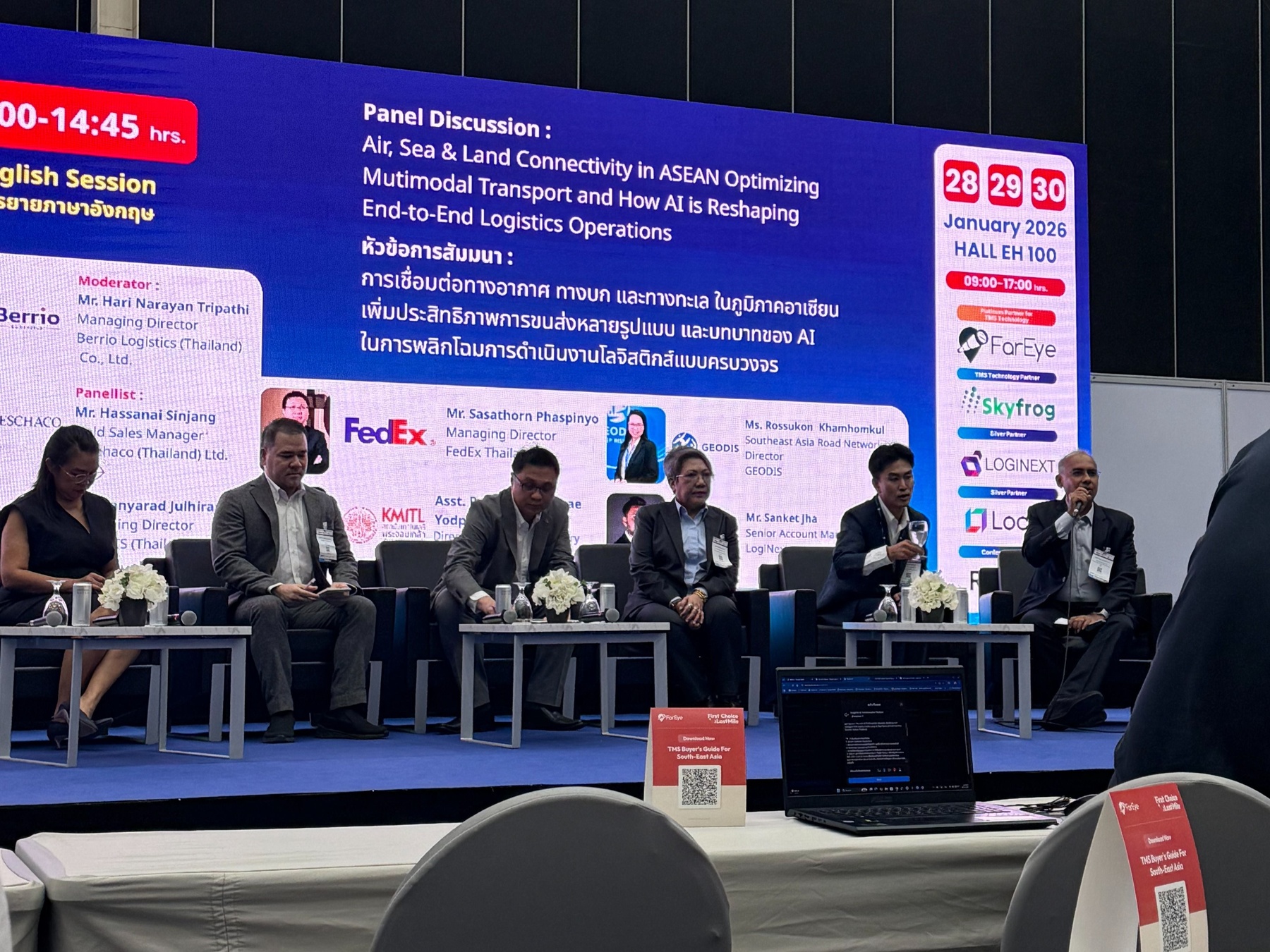
Catching up with the logistics world 🚛✈️
Yesterday, our consultants Brian James and Kanyanut Phongumpai joined the Thai Cargo & Logistics Expo 2026, where industry leaders shared what’s shifting, what’s improving, and what still needs solving across air, sea, and land transport.

These laptops were sitting unused.
Now they’re someone’s access to education. 💻
Last week, we donated 20+ laptops from our office to The Mirror Foundation, turning surplus tech into real learning tools.

A sneak peek at collaboration-in-action with Rhenus Logistics for today's talent video shoot!
Recruitment moves beyond a transaction at JacksonGrant, we act as a true extension of our partners' teams. We’re proud to be on the ground, providing extra hands for our partner's employer branding and storytelling.

