



Why More Companies Are Moving from Traditional Recruitment to RPO And Why Southeast Asia Is Next
For many years, businesses have relied on two primary models to build teams: In-house Talent Acquisition or Contingent Agency Recruitment. Both still have a place. But globally, a major shift is underway.
For many years, businesses have relied on two primary models to build their teams: In-House Talent Acquisition (TA) or Contingent Agency recruitment. Both still have a place, but globally, a meaningful shift is under way, and it is one that is becoming increasingly relevant across Southeast Asia.
More organisations are adopting Recruitment Process Outsourcing (RPO) as a strategic alternative, moving hiring away from a transactional model and toward something more scalable and embedded. The reasons for that shift are not complicated, and they are worth understanding whether you are already exploring RPO or simply trying to make sense of why your current model is starting to feel stretched.
Why traditional recruitment models are struggling to keep up
In an environment of talent shortages, fluctuating demand, skills-based hiring, and growing pressure on both cost and speed, traditional recruitment models often struggle to keep pace. In-house teams can be stretched during periods of growth and underutilised when things slow down, while agency recruitment can solve urgent needs but frequently at a premium and without addressing the deeper structural challenges that slow businesses down over time.
RPO traditionally sat somewhere in the middle of these two options, but increasingly it is becoming something much more strategic. It is not simply outsourced recruitment, it is a way of building a more agile, scalable hiring function, one that brings together human expertise, technology, and process in a way that most businesses cannot easily replicate on their own. Companies turning to RPO are doing so for greater scalability, stronger employer branding, a more consistent candidate experience, and better visibility into hiring performance and cost.
The global market is already moving in this direction
The global RPO market continues to grow at pace, with strong expansion forecast through the remainder of this decade as organisations seek more flexible and accountable workforce solutions. The UK market, which tends to be a useful early indicator of where recruitment innovation is heading, is set for 11% growth in RPO adoption in 2026 alone, and similar patterns are emerging across North America and parts of Europe where the model has matured considerably over the past ten years.
What is particularly interesting is how this is now starting to translate into real demand across Southeast Asia, a region that has historically leaned on agency hiring, internal HR-led recruitment, or fragmented supplier models, but where the complexity of hiring is increasing quickly.
Southeast Asia is reaching a tipping point
Across Singapore, Thailand, Vietnam, Indonesia, and the wider ASEAN region, businesses are running into a familiar set of problems. Companies expanding regionally need consistency in how they hire and how they present themselves to candidates. Growth-stage businesses need scalable hiring capability without the cost and risk of building large internal talent acquisition teams. Multinationals want stronger governance, clearer reporting, and better cost visibility. And leadership teams, more broadly, are asking whether recruitment should really be functioning as a reactive support function or as something that behaves more like a business enabler.
These are not new frustrations, but they are becoming harder to ignore as hiring volumes increase and competition for talent intensifies. That is where models like RPO, and newer subscription-based approaches such as Recruitment as a Service (RaaS™), are gaining real traction across the region.
The conversation is shifting from who recruits to how recruitment is built
What is emerging is a broader evolution in how businesses think about hiring, moving away from recruitment as a series of individual transactions and toward talent acquisition as a piece of operational infrastructure. The question is no longer simply which agency to use or whether to hire internally, it is about designing the right hiring model for where the business is going and making sure that model can actually scale with it.
For some businesses that means a project-based RPO engagement tied to a specific growth phase. For others it means a hybrid approach that blends outsourced delivery with internal capability, or a full RaaS™ partnership that covers the entire hiring function. The shape of the solution varies, but the direction is consistent: companies are rethinking how recruitment is delivered, and the ones doing it well are gaining a meaningful advantage in both speed and quality of hire.
Career and Hiring Insights
View All InsightsLatest News








What’s new on LinkedIn
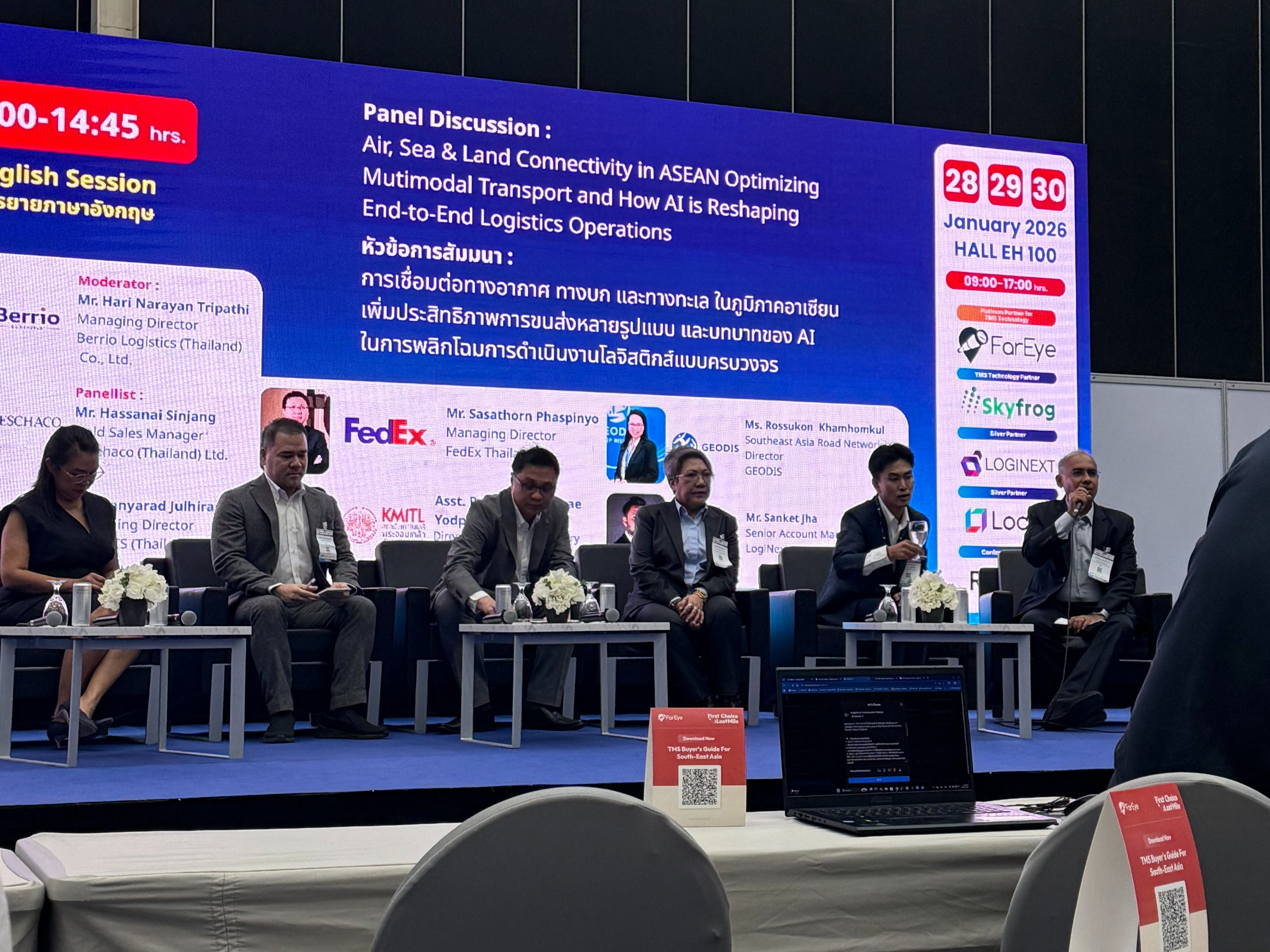
Catching up with the logistics world 🚛✈️
Yesterday, our consultants Brian James and Kanyanut Phongumpai joined the Thai Cargo & Logistics Expo 2026, where industry leaders shared what’s shifting, what’s improving, and what still needs solving across air, sea, and land transport.

These laptops were sitting unused.
Now they’re someone’s access to education. 💻
Last week, we donated 20+ laptops from our office to The Mirror Foundation, turning surplus tech into real learning tools.

A sneak peek at collaboration-in-action with Rhenus Logistics for today's talent video shoot!
Recruitment moves beyond a transaction at JacksonGrant, we act as a true extension of our partners' teams. We’re proud to be on the ground, providing extra hands for our partner's employer branding and storytelling.

