



Hiring for Potential Without Lowering the Bar: A Better Way to Assess Transferable Skills
The strongest candidate for a role is not always the one who has already held the title. Sometimes it is the person with the underlying capability to do it exceptionally well next.
Hiring managers often say they want candidates with potential. When the shortlist arrives, however, many still default to the safest-looking CV: the familiar job title, the expected industry background and a neat list of directly relevant experience.
It is understandable. Hiring is risky, and familiar experience feels easier to defend, yet it can also exclude highly capable people whose skills were developed in a different sector, function or environment. In a tight talent market, that is more than a missed opportunity. It is a self-imposed restriction on the available talent pool.
Hiring for potential does not mean lowering the bar or taking a gamble on someone who cannot do the job. It means separating what a candidate must already know from what they can reasonably learn, and assessing both with greater discipline.
Start by challenging the job description
Many job descriptions combine genuine requirements with preferences inherited from the previous hire. Over time, those preferences begin to look essential. Before searching, recruiters should help the hiring manager divide the criteria into three categories:
• Capabilities required from day one
• Skills that can be learned within the first three to six months
• Background preferences that are useful but not essential
This exercise often reveals that requirements such as a precise job title, a particular sector or a fixed number of years' experience are being used as shortcuts. They may correlate with ability, but they do not prove it.
A stronger brief defines the outcomes the person must deliver. Instead of asking for "five years of logistics account management experience", for example, consider whether the role requires someone who can retain complex clients, identify growth opportunities and manage senior stakeholders. Candidates may have demonstrated those abilities in professional services, SaaS, media or another adjacent field.
Look for skill evidence, not keyword matches
Transferable skills are sometimes treated as vague personality traits, when in fact they should be assessed with the same rigour as technical ones. Stakeholder management is a good example. A candidate saying they are "good with people" is weak evidence. A candidate explaining how they aligned three departments with competing priorities, recovered a delayed project and secured agreement on a new timeline is far more persuasive.
Recruiters can strengthen screening by asking candidates to describe:
• The situation and level of complexity
• The specific action they took
• The constraints they faced
• The measurable result
• What they learned and later applied elsewhere
The final point matters. Potential is not simply the ability to perform once. It is the ability to learn, adapt and repeat success in a new context.
Assess learning agility directly
When someone lacks direct industry experience, the key question is not whether they know everything today. It is how effectively they close knowledge gaps. Ask for an example of a time they entered an unfamiliar area, mastered it quickly and produced a result. Probe the process: where did they begin, whom did they consult, how did they test their understanding and what did they get wrong initially?
Strong answers usually show curiosity, structured learning, self-awareness and the confidence to ask for help. Weak answers stay general or suggest the candidate depended heavily on others without developing independent judgement. This approach is far more useful than asking whether someone is a "fast learner", a question almost guaranteed to receive a confident yes.
Use work samples to reduce guesswork
CVs reward candidates whose past experience most closely resembles the vacancy. Work samples give adjacent candidates a fairer opportunity to demonstrate what they can actually do. The task should resemble a genuine part of the role, remain proportionate and have clear assessment criteria. A sales candidate might prepare an account-entry plan. A recruiter might prioritise a small group of profiles and explain their outreach strategy. A manager might respond to a realistic team-performance scenario.
Every candidate should receive the same instructions and be scored against the same framework. This makes comparison more consistent and keeps "potential" from becoming a subjective label applied to candidates the interviewer happens to like.
Do not confuse polish with capability
Candidates from familiar corporate environments often know how to tell interviewers exactly what they expect to hear. Others may have equally strong capabilities but less practice presenting them in the preferred language. Structured interviews help address this. Ask every candidate the same core questions, agree on scoring criteria in advance and require interviewers to record evidence before discussing impressions. This limits the influence of charisma, similarity bias and gut feel, which is often just familiarity wearing a blazer.
Recruiters also have an important translation role here. A candidate may describe an achievement using terminology from another industry. The recruiter should help the hiring manager understand the scale, complexity and relevance of that experience without exaggerating it.
Keep the bar high, but make it relevant
There are roles where specific knowledge, qualifications or technical experience are genuinely non-negotiable. Hiring for potential should never ignore safety, compliance or the level of expertise needed to perform effectively. The goal is not to remove standards. It is to stop measuring candidates against criteria that do not predict success.
A rigorous potential-based process may actually be more demanding than conventional CV matching. Candidates must provide evidence of transferable performance, learning agility and sound judgement. Employers must define outcomes clearly and assess them consistently.
Done well, this approach creates stronger and more diverse shortlists, opens access to overlooked talent and improves the likelihood of hiring someone who can grow with the role. For organisations that have built this kind of structured hiring process into a longer-term recruitment partnership, the results compound over time. A partner who understands both the role and the market can identify potential far more accurately than a keyword search ever could.
The best candidate is not always the person who has done the exact job before. Sometimes it is the person who has the underlying capabilities to do it exceptionally well next.
Career and Hiring Insights
View All InsightsLatest News








What’s new on LinkedIn
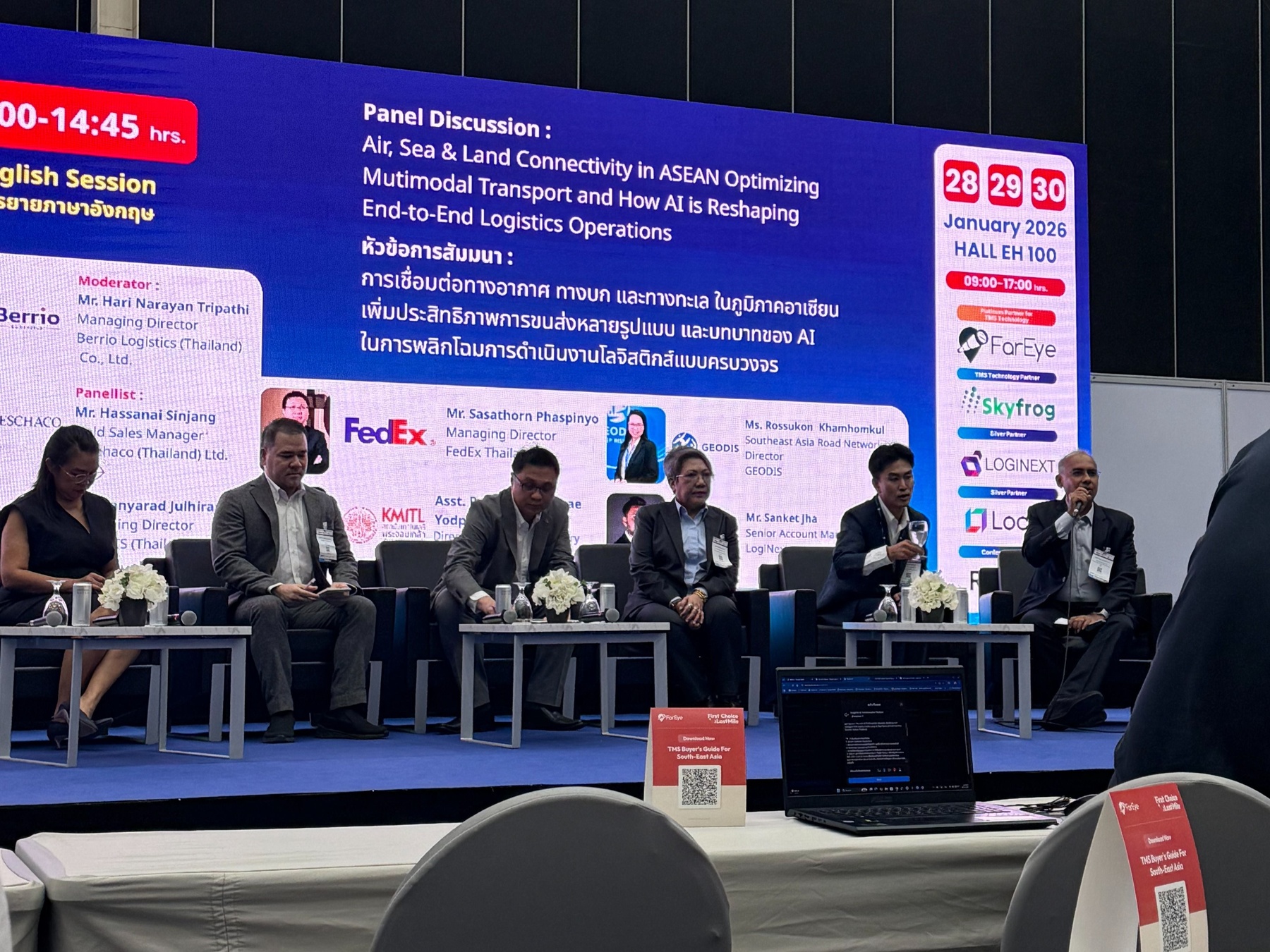
Catching up with the logistics world 🚛✈️
Yesterday, our consultants Brian James and Kanyanut Phongumpai joined the Thai Cargo & Logistics Expo 2026, where industry leaders shared what’s shifting, what’s improving, and what still needs solving across air, sea, and land transport.

These laptops were sitting unused.
Now they’re someone’s access to education. 💻
Last week, we donated 20+ laptops from our office to The Mirror Foundation, turning surplus tech into real learning tools.

A sneak peek at collaboration-in-action with Rhenus Logistics for today's talent video shoot!
Recruitment moves beyond a transaction at JacksonGrant, we act as a true extension of our partners' teams. We’re proud to be on the ground, providing extra hands for our partner's employer branding and storytelling.

